The Quiet Dignity of Garden Estate Living in Senior Care
When families start looking into senior living options, they often brace themselves for a decision that feels clinical. They imagine sterile hallways, regimented schedules, and a loss of the personal touches that made a parent or spouse who they are. That picture is real in some places, but it is not the whole story. There is a different approach taking shape in communities across the country, one that leans on the idea that where we live shapes how we feel. This approach, sometimes called garden estate living, tries to blend the comforts of a real home with the support that older adults actually need.
I have spent years working in senior care, and I have seen how the physical environment can either lift a person's spirit or drain it. The best assisted living communities understand that a building is not just a place to sleep. It is a setting for the last chapters of a life, and those chapters deserve dignity, warmth, and a sense of belonging. That is the core promise behind garden estate living, and it is worth examining what that phrase actually means for the people who live it every day.
What Garden Estate Living Looks Like on the Ground
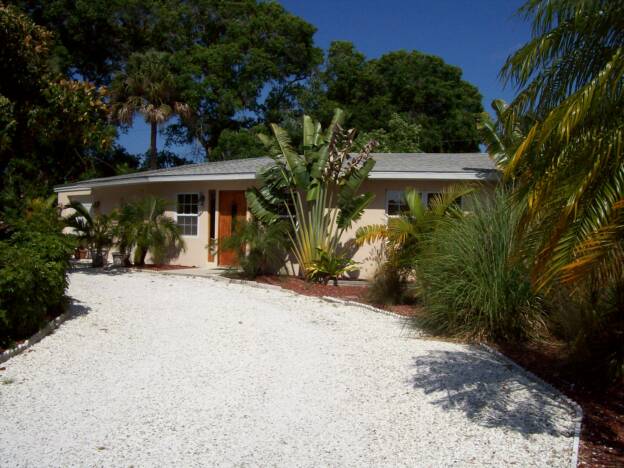
Garden estate living is not a marketing slogan. It is a design philosophy and an operational mindset. In practice, it means a senior living community that feels more like a small neighborhood than an institution. Instead of long, fluorescent-lit corridors, you see courtyards, gardens, and pathways that encourage a resident to step outside and feel the sun. Instead of a single large dining hall, there might be smaller, home-style kitchens where meals are cooked and shared. The goal is to reduce the feeling of being "in care" and increase the feeling of being at home.
In a place like Venice, Florida, where the climate invites outdoor time most of the year, this approach is especially fitting. A community that embraces garden estate living might have raised garden beds at wheelchair height, shaded seating areas where families can visit, and walking paths that loop past flowering shrubs. These are not decorative afterthoughts. They are tools for maintaining physical health, mental engagement, and social connection. When a resident can step outside and tend a plant or just sit and watch the birds, they are still participating in life. That participation matters.
Personalized Support Without the Hospital Feel
One of the biggest fears families express is that their loved one will lose their individuality in a senior living community. They worry that a schedule built around efficiency will override the small routines that define a person's day. The best communities counter that by making personalized support a core practice, not a talking point. In garden estate living, care plans are built around the person, not the other way around.
That means understanding what time a resident likes to wake up, what foods they enjoy, and how they prefer to spend their afternoon. It means knowing that Mrs. Smith likes her coffee first thing and that Mr. Jones needs a quiet space after lunch. Caregivers in these settings are trained to observe and adapt, not just to follow a checklist. This kind of person-centered care is not just kinder. It is more effective. When residents feel seen and respected, they are more likely to cooperate with care routines, eat well, and stay engaged.
For those needing memory care, the environment becomes even more critical. Dementia can make the world feel confusing and threatening. A setting that mimics a calm, predictable home can reduce agitation and help residents feel safe. In garden estate living, memory care neighborhoods are often designed with clear sightlines, familiar decor, and secure outdoor spaces where residents can wander without risk. The Alzheimer's Association has long emphasized the value of structured, calming environments for people living with dementia, and this approach aligns with that guidance.
Respite Stays and the Full Continuum of Care
Not every family needs full-time assisted living right away. Sometimes a short stay is the bridge that helps everyone adjust. Respite stays offer a temporary solution that gives primary caregivers a break while their loved one receives professional support. In a garden estate living community, a respite stay does not feel like a hospital admission. It feels like a visit to a comfortable home where meals are prepared, medications are managed, and company is always nearby. That can be a relief for everyone involved.
Beyond respite, the continuum of care in these communities often includes skilled nursing support when needs change. The ability to age in place, moving from independent living to assisted living to higher levels of care without leaving the community, is a major factor in a family's decision. It spares the older adult the trauma of multiple moves and the family the stress of searching for a new place every time a condition changes. Medicare and Medicaid may play a role in covering some of these services, depending on the level of care and the specific community, so it is always worth asking about financial options early in the process.
The Influence of the Eden Alternative
A philosophy that has quietly shaped many modern senior living communities is the Eden Alternative. This approach challenges the idea that institutions are the only way to provide care. Instead, it advocates for environments that combat loneliness, helplessness, and boredom by integrating plants, animals, and children into daily life. Garden estate living shares many of these values. The gardens are not just for looking at. They are for touching, planting, and harvesting. The common areas are designed for spontaneous conversation, not just scheduled activities.
I have visited communities that follow this model, and the difference is tangible. The air smells different. The sounds are different. You hear laughter and conversation, not just the hum of a television. Residents who were withdrawn in a traditional setting start to open up when they have something meaningful to do. That might be watering a plant, helping set the table, or simply sitting with a caregiver who has time to listen. These small moments are the building blocks of well-being.
Activities of Daily Living and the Role of Caregivers
At the most basic level, senior living is about helping people with the Activities of Daily Living: bathing, dressing, eating, transferring, toileting, and continence. These are intimate tasks that require trust and gentleness. In garden estate living, the physical layout can make these tasks easier for both the resident and the caregiver. A bathroom that is spacious and well-lit, a bedroom that faces a garden, a hallway that is easy to navigate with a walker or wheelchair. These design choices reduce falls, lower anxiety, and preserve dignity.
The caregivers themselves are the heart of any community. They are the people who learn a resident's preferences, notice when something is wrong, and provide the human connection that no policy can replace. In a well-run garden estate living community, caregivers are given the time and training to build those relationships. They are not rushed from room to room. They are supported by a culture that values relationship over task completion. That makes all the difference for a resident who may feel vulnerable or frightened.
Is Garden Estate Living Right for Your Family?
There is no one-size-fits-all answer in senior care. Every family has different financial realities, medical needs, and personal preferences. But if you are looking at senior living communities in Florida or elsewhere, it is worth asking how a community translates the concept of home into its daily operations. Ask about the ratio of caregivers to residents. Ask how meals are served and whether residents have choices. Ask what happens when someone needs more help than they did on the day they moved in.
The phrase garden estate living may not be familiar to everyone, but the feeling it describes is universal. It is the feeling of being in a place that respects who you are and supports what you need. That is not a small thing. It is the foundation of good senior care, and it is something every older adult deserves.